
-
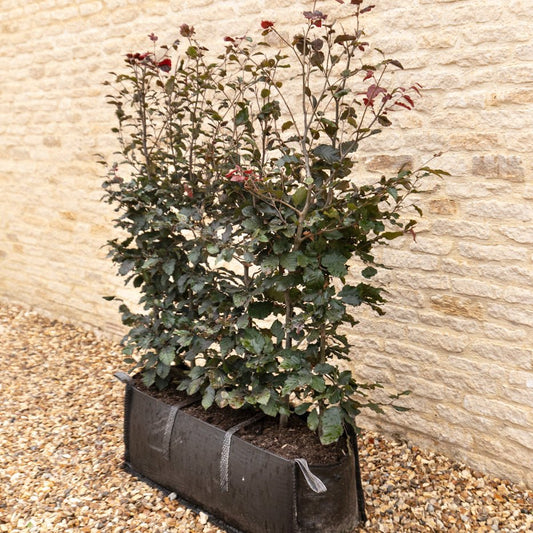
Purple Beech Instant Hedge 120cm (4ft), 1m Hedgebag – Deciduous
Vendor:Impact HedgingRegular price £159.00 GBP inc. VAT£132.50 GBP exc. VATRegular price£169.00 GBP£140.83 GBPSale price £159.00 GBP inc. VAT£132.50 GBP exc. VATON SALE -
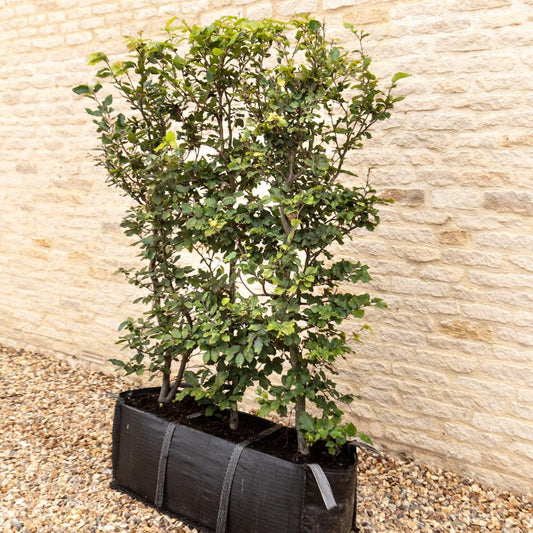
Green Beech Instant Hedge 140cm, 1m Hedgebag – Deciduous
Vendor:Impact HedgingRegular price £159.00 GBP inc. VAT£132.50 GBP exc. VATRegular price£169.00 GBP£140.83 GBPSale price £159.00 GBP inc. VAT£132.50 GBP exc. VATON SALE -
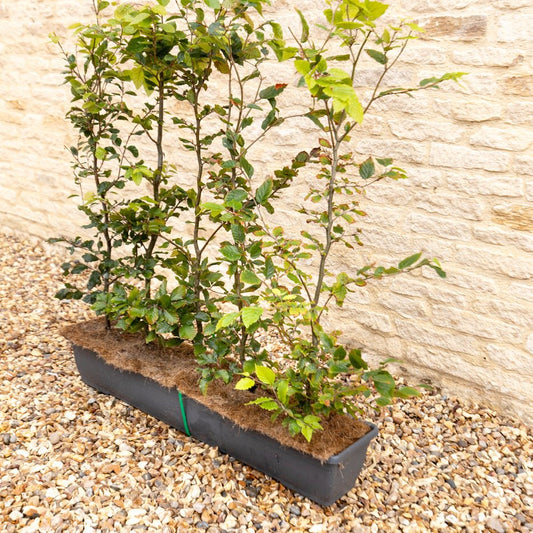
Green Beech Instant Hedge 80–100cm, 1m Trough – Deciduous
Vendor:Impact HedgingRegular price £65.00 GBP inc. VAT£54.17 GBP exc. VATRegular price£80.00 GBP£66.67 GBPSale price £65.00 GBP inc. VAT£54.17 GBP exc. VATON SALE



Why Choose Euonymus Hedging for Your Garden?
Euonymus is a versatile group of ornamental shrubs, with compact evergreen varieties particularly well suited to low garden hedging.
Our Euonymus japonicus 'Jean Hugues' offers dense, glossy green foliage and a naturally neat appearance, making it an excellent choice for creating attractive garden borders.
Euonymus hedges offer several practical advantages:
- Evergreen foliage: Attractive green leaves provide colour and structure throughout the year.
- Compact growth: Ideal for low boundaries, garden edging and defined planting areas.
- An alternative to Box: Creates a similar formal appearance without using traditional Buxus plants.
- Excellent for shaping: Responds well to clipping and can be maintained as a neat, structured hedge.
- Adaptable planting: Suitable for various well drained soil types in full sun or partial shade.
- Established hedging: Ready grown trough sections provide immediate definition compared with planting young individual shrubs.
For homeowners seeking a manageable evergreen hedge for decorative borders and formal landscaping, Euonymus is an attractive and practical option.
Euonymus 'Jean Hugues': A Compact Evergreen Hedge
Euonymus japonicus 'Jean Hugues' is a compact variety of Japanese spindle, valued for its glossy dark green leaves and dense, upright growth.
Unlike larger evergreen hedging plants, this variety is particularly suited to low boundaries where a controlled, tidy appearance is important.
Its compact growth makes it useful for:
- Formal garden borders
- Pathways and entrances
- Front garden edging
- Courtyard and patio gardens
- Geometric planting schemes
- Dividing flower beds and landscaped areas
The fine foliage creates a smooth, consistent appearance when clipped, complementing both modern and traditional garden designs.
According to the RHS, 'Jean Hugues' can reach approximately 0.5 to 1m in height and spread when allowed to mature, making it a practical choice for lower hedging.
Euonymus vs Box Hedging: Which Should You Choose?
Traditional Box (Buxus sempervirens) has long been used for formal garden borders, low hedges and decorative topiary.
However, problems caused by box blight and box tree caterpillars have encouraged gardeners to explore alternative evergreen plants.
Euonymus 'Jean Hugues' offers several characteristics that make it suitable for similar planting schemes.
Euonymus Hedging
Euonymus has glossy, oval evergreen leaves and a naturally compact growth habit.
It can be clipped into neat formal borders and is particularly effective for low, structured hedging.
It is not susceptible to the specific box blight pathogens or box tree caterpillars that affect Buxus, although Euonymus can experience other pest and disease problems.
Traditional Box Hedging
Box has smaller, rounded evergreen leaves and is particularly valued for intricate topiary and very precise formal edging.
Its naturally dense growth makes it suitable for detailed shaping, but established plants may be vulnerable to box blight or caterpillar damage.
Choose Euonymus 'Jean Hugues' if you want a neat, evergreen Box alternative for low borders and formal garden structure.
For another compact evergreen option, explore our Japanese Holly Hedges.
Euonymus Jean Hugues Instant Hedge, 1m Trough
Our Euonymus 'Jean Hugues' Instant Hedge is supplied in an established 1m trough, providing a convenient alternative to planting individual young Euonymus shrubs.
Grown in Oxfordshire, these ready formed sections create an attractive, continuous border with immediate structure.
The trough grown format is particularly suitable for:
- Creating low evergreen boundaries
- Defining pathways and garden entrances
- Introducing structure to small gardens
- Replacing established Box edging
- Creating formal borders around planting beds
Each trough provides approximately 1m of established hedging, making it straightforward to measure the quantity required.
For example, a straight 6m border would generally require six 1m sections.
Unlike planting individual young shrubs, these established sections already have developed foliage and branching, providing a more complete appearance immediately after planting.
Browse the product above for current height, pricing and availability, or explore our full range of Trough Grown Instant Hedges.
Where Do Euonymus Hedges Grow Best?
Euonymus 'Jean Hugues' adapts well to a range of garden conditions, although good drainage is important for healthy growth.
Sunlight and Shade
Euonymus grows well in full sun or partial shade.
A position with reasonable natural light generally encourages healthy, compact growth.
In heavily shaded locations, growth may become slower or less dense.
Soil Conditions
Euonymus 'Jean Hugues' can grow in clay, chalk, loam and sandy soils, provided drainage is adequate.
It tolerates a range of soil pH levels, including acidic, neutral and alkaline conditions.
Moist but well drained soil is particularly suitable.
Avoid persistently waterlogged areas, as excessive moisture can damage the roots.
Urban and Coastal Gardens
Euonymus japonicus is commonly used in urban and coastal planting schemes.
Its evergreen foliage and tolerance of different growing conditions make it useful for courtyard gardens, entrances and exposed landscaping.
However, very cold, drying winds can damage foliage, particularly on newly planted hedges.
In particularly exposed locations, consider the amount of shelter available before planting.
How to Plant Euonymus Instant Hedging
Our established Euonymus trough sections make it straightforward to create a continuous evergreen border.
For successful planting:
- Prepare the planting area. Remove weeds, grass and debris from the intended border.
- Check the drainage. Ensure the soil does not remain waterlogged after rainfall.
- Dig a suitable trench. Make it wide enough to accommodate the root system without crowding.
- Position each section. Remove the hedge from its growing container as instructed and place it at the correct planting depth.
- Backfill carefully. Fill around the roots with soil and firm gently to remove large air pockets.
- Water thoroughly. Water immediately after planting and continue regularly during establishment.
Spring and autumn are favourable planting periods because milder temperatures and natural rainfall support root development.
Established trough grown hedging can also be planted at other suitable times of year, provided the ground is not frozen or waterlogged and adequate watering is available.
For planting supplies, explore our Hedge Planting Essentials.
How to Care for Euonymus Hedges
Once established in suitable conditions, Euonymus 'Jean Hugues' is relatively straightforward to maintain.
Watering
Newly planted Euonymus hedges need regular watering while their roots establish.
During warm, dry weather, check soil moisture and water thoroughly when necessary.
Established plants can tolerate some dry conditions, although prolonged drought may cause stress and affect foliage quality.
Pruning and Shaping
Euonymus responds well to light pruning and can be maintained as a neat, formal border.
One or two trims during the growing season are generally sufficient, depending on the desired appearance.
Its compact growth makes it particularly suitable for low hedging where precise edging is important.
Growth Rate and Mature Height
Euonymus 'Jean Hugues' has a relatively slow to moderate growth rate.
Growth will vary depending on soil quality, sunlight, watering and growing conditions.
The variety can reach approximately 0.5 to 1m in height over time but can be maintained at a lower height through regular clipping.
Pest and Disease Care
Although Euonymus is a useful alternative to Box, it is not completely resistant to pests and diseases.
Potential problems include Euonymus scale, powdery mildew and occasional leaf spotting.
Inspect the foliage periodically and address any problems early to maintain a healthy, attractive hedge.
Why Buy Euonymus Hedges from Impact Hedging?
At Impact Hedging, we specialise in established, UK grown hedging designed to help homeowners and landscapers create attractive garden boundaries with less waiting time.
Our Euonymus 'Jean Hugues' hedges are grown in Oxfordshire and supplied in convenient 1m trough sections.
When you order from Impact Hedging, you benefit from:
- Established Euonymus hedging ready for planting
- Compact evergreen foliage for attractive garden borders
- Convenient 1m trough sections for straightforward planning
- An alternative to traditional Box hedging
- Free mainland UK delivery on qualifying orders over £350
- A 12 month plant guarantee, subject to its terms
- Advice and support when selecting suitable hedging
Explore our Evergreen Hedges or browse the full range of Instant Hedges to find the right option for your garden.
Frequently asked questions
Are Beech hedges evergreen?
What is the difference between Green Beech and Purple Beech?
How quickly do Beech hedges grow?
Which is better for hedging, Beech or Hornbeam?
When is the best time to plant Beech hedges?
How many Beech instant hedge sections do I need?