
-
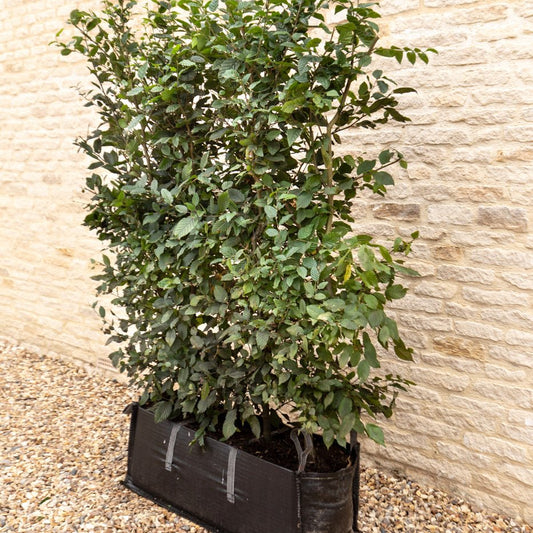
Hornbeam Instant Hedge, 1m Hedgebag – Deciduous
Vendor:Impact HedgingRegular price £159.00 GBP inc. VAT£132.50 GBP exc. VATRegular price£169.00 GBP£140.83 GBPSale price £159.00 GBP inc. VAT£132.50 GBP exc. VATON SALE -
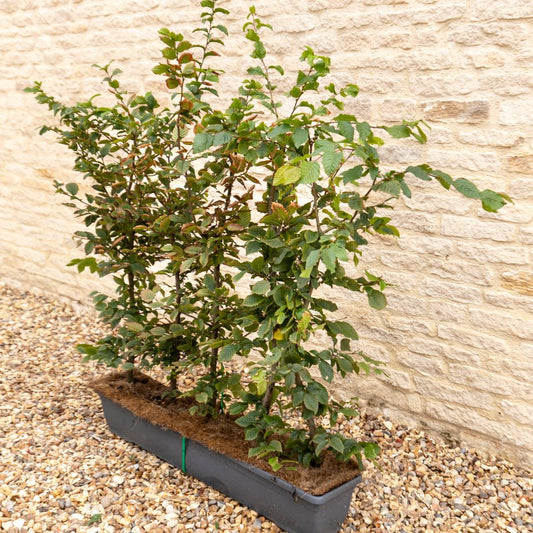
Hornbeam Instant Hedge 90–100cm, 1m Trough – Deciduous
Vendor:Impact HedgingRegular price £65.00 GBP inc. VAT£54.17 GBP exc. VATRegular price£79.00 GBP£65.83 GBPSale price £65.00 GBP inc. VAT£54.17 GBP exc. VATON SALE


Why Choose Hornbeam Hedging for Your Garden?
Hornbeam (Carpinus betulus) is a hardy, deciduous hedging plant valued for its dense branching, attractive leaves and ability to perform in a wide range of UK growing conditions.
It is particularly popular in gardens with heavier soils, where some other hedging species may struggle.
Hornbeam hedges offer several practical advantages:
- Seasonal colour: Fresh green leaves appear in spring, gradually turning golden yellow and copper brown in autumn.
- Winter structure: Regularly clipped hornbeam hedges often retain some dry leaves during winter, providing additional screening.
- Suitable for clay soils: Hornbeam tolerates heavier and seasonally damp soils, provided the planting area is not permanently waterlogged.
- Hardy and wind tolerant: A reliable choice for colder or more exposed UK gardens.
- Easy to maintain: Responds well to pruning and can be shaped into neat formal hedges.
- Wildlife benefits: Dense branches provide valuable shelter and potential nesting habitat for garden birds.
Whether you're planting a new boundary or replacing an established hedge, hornbeam offers an attractive combination of structure, resilience and manageable growth.
Choosing the Right Hornbeam Instant Hedge
At Impact Hedging, our hornbeam instant hedging is supplied in established 1m sections, making it easier to create a continuous garden boundary.
We offer two planting formats to suit different projects.
Hornbeam Instant Hedge 90 to 100cm, 1m Trough
Our Hornbeam Instant Hedge 90 to 100cm Trough is ideal for lower boundaries, formal garden designs and areas where the hedge can gradually develop to the desired height.
Trough grown hornbeam hedging works particularly well for:
- Front garden boundaries
- Pathways and entrances
- Decorative garden divisions
- Formal hedges maintained at a lower height
Each 1m section provides an established length of hedging ready for planting.
Hornbeam Instant Hedge, 1m Hedgebag
For taller screening, our Hornbeam Instant Hedge in Hedgebags offers an established alternative to planting individual young hornbeam plants.
With height options available on the product page, these hedgebag sections are suitable for:
- Screening overlooked gardens
- Creating privacy between neighbouring properties
- Dividing larger outdoor spaces
- Establishing mature looking garden boundaries
Choose your preferred height on the product page and check current availability before ordering.
Do Hornbeam Hedges Keep Their Leaves in Winter?
One of the most attractive characteristics of hornbeam hedging is its ability to retain some of its dry leaves during winter.
Although hornbeam is deciduous, regularly clipped hedges often hold onto copper brown foliage after autumn. This process is known as marcescence.
The amount of foliage retained varies depending on the age of the hedge, its exposure, growing conditions and pruning.
Hornbeam should not be considered a fully evergreen hedge, but its dense branching and retained foliage can provide useful winter structure.
For gardens requiring consistent green coverage throughout the year, explore our Evergreen Hedges as an alternative.
Hornbeam vs Beech Hedging: Which Is Better?
Hornbeam and beech are both popular deciduous hedges with attractive seasonal foliage and excellent shaping potential.
However, they differ in their preferred growing conditions.
Hornbeam hedging is generally more tolerant of heavy clay and seasonally damp soils. It also performs well in colder and more exposed locations.
Beech hedging usually prefers reasonably well drained soil and can be particularly attractive in sheltered gardens. Like hornbeam, clipped beech hedges may retain dry leaves through winter.
If your garden has heavy clay or experiences periods of dampness, hornbeam may be the more suitable choice.
Neither species is ideal for persistently waterlogged ground, so good soil preparation and drainage remain important.
How to Plant Hornbeam Instant Hedges
Our established hornbeam hedge sections provide a convenient way to create a continuous boundary without spacing individual young plants.
For successful establishment:
- Prepare the ground. Clear weeds and loosen compacted soil along the planting line.
- Dig a suitable trench. Ensure it is wide enough for the root system and allows the hedge to sit at the correct planting depth.
- Position each section. Arrange the 1m units along the boundary, keeping the hedge upright and the tops aligned.
- Backfill with soil. Fill around the roots and firm gently to remove large air pockets.
- Water thoroughly. Water immediately after planting and continue regularly during establishment.
Hornbeam generally performs well in full sun or partial shade. Although tolerant of heavier soils, it should not be planted into standing water without addressing drainage.
Autumn and spring are favourable planting periods, although established container grown hedging can be planted at other times when ground and weather conditions are suitable.
How to Care for a Hornbeam Hedge
Once established, hornbeam is a relatively straightforward hedge to maintain.
Watering
Keep newly planted hornbeam hedges adequately watered during their first growing season. Pay particular attention during warm, dry or windy weather.
Established hedges generally require less frequent watering, although prolonged dry spells may still affect growth.
Pruning
Hornbeam responds well to regular trimming, making it an excellent choice for formal hedges.
A main trim in late summer is often sufficient for an established hedge, although additional light trimming may be necessary to maintain a precise shape.
Avoid disturbing active bird nests when carrying out hedge maintenance.
Growth Rate
Hornbeam typically grows at a moderate rate of approximately 20 to 40cm per year under suitable conditions, although growth can vary with age, soil quality, moisture and maintenance.
Regular pruning encourages branching and helps maintain a dense, attractive boundary.
Why Buy Hornbeam Hedges from Impact Hedging?
At Impact Hedging, we specialise in established, UK grown instant hedging that helps homeowners and landscapers create attractive garden boundaries with less waiting time.
Our hornbeam hedges are grown in Oxfordshire and supplied in convenient trough and hedgebag formats.
When you order from Impact Hedging, you benefit from:
- Established hornbeam hedging ready for planting
- A choice of trough grown and hedgebag formats
- Convenient 1m sections for planning your boundary
- Free mainland UK delivery on qualifying orders over £350
- A 12 month plant guarantee, subject to its terms
- Advice and support when selecting your instant hedging
Browse our Instant Hedges or contact our team for help choosing the right hedge for your garden.
Frequently asked questions
Are hornbeam hedges evergreen?
How quickly do hornbeam hedges grow?
Are hornbeam hedges suitable for clay soil?
What is the difference between hornbeam and beech hedging?
When is the best time to plant hornbeam hedges?
How many hornbeam instant hedge sections do I need?