
-
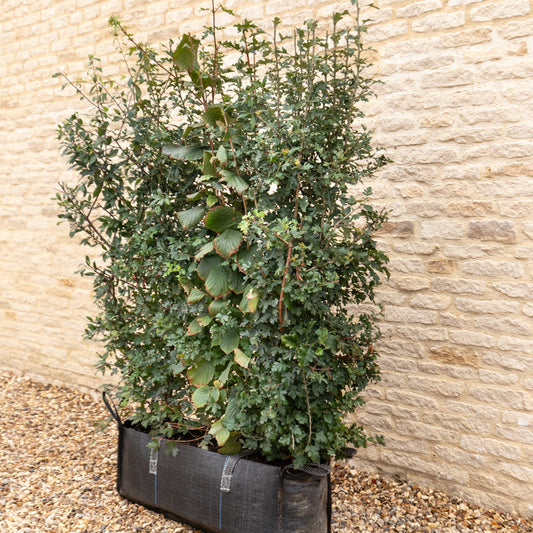
Native Mix Instant Hedge 150cm (5ft), 1m Hedgebag – Deciduous
Vendor:Impact HedgingRegular price £159.00 GBP inc. VAT£132.50 GBP exc. VATRegular price£169.00 GBP£140.83 GBPSale price £159.00 GBP inc. VAT£132.50 GBP exc. VATON SALE

Why Choose Mixed Native Hedging for Your Garden?
Mixed native hedging is a traditional feature of the British landscape, creating natural boundaries that provide shelter, food and habitat for wildlife.
Unlike a hedge made from a single plant species, a native hedging mix combines different shrubs and small trees, each contributing its own foliage, flowers, fruits and growing characteristics.
Native Mix hedges offer several practical benefits:
- Wildlife friendly planting: Flowers, fruits and dense branches provide food and shelter for birds, pollinators and other garden wildlife.
- Seasonal interest: Enjoy spring blossom, fresh summer foliage, autumn colour and attractive winter branching.
- Natural appearance: Different leaf shapes and textures create an informal, countryside inspired boundary.
- Hardy British species: The combination of native plants is suited to a wide range of UK garden conditions.
- Flexible maintenance: Native hedges can be regularly trimmed or allowed to develop a more natural shape.
- Established instant hedging: Ready grown sections provide immediate height and a more developed appearance than young hedging whips.
Whether you're creating a countryside boundary, planting a wildlife garden or introducing more native species into your landscape, mixed native hedging is an attractive and practical choice.
What Plants Are Included in Our Native Hedging Mix?
Our Native Mix Hedges contain four traditional British hedging species, each providing different benefits throughout the growing season.
Hawthorn (Crataegus monogyna)
Hawthorn is one of Britain's most familiar hedgerow plants.
It produces attractive white flowers in spring, followed by red fruits known as haws in autumn. Its dense, thorny branches provide valuable shelter and nesting opportunities for birds.
Hawthorn also responds well to trimming, helping maintain the structure of a mixed native hedge.
Blackthorn (Prunus spinosa)
Blackthorn is particularly valuable for its early spring blossom, which often appears before the leaves emerge.
Its white flowers provide an early source of nectar and pollen for insects, while the dark blue fruits, known as sloes, develop later in the year.
Blackthorn's thorny branching provides additional protective cover for wildlife.
Hazel (Corylus avellana)
Hazel brings softer foliage and distinctive yellow catkins to the hedging mix.
Its early flowering provides seasonal interest before many other plants begin growing. Mature hazel plants may also produce nuts, which provide food for wildlife.
The broad, rounded leaves create an attractive contrast with the finer foliage of the other native species.
Field Maple (Acer campestre)
Field Maple adds beautiful seasonal colour to a mixed native hedge.
Its fresh green summer leaves turn shades of golden yellow in autumn, creating an attractive display as temperatures begin to fall.
It tolerates regular pruning and is well suited to traditional countryside hedging.
Together, these four species create a varied native hedge with greater seasonal diversity than a typical single species boundary.
Native Mix Instant Hedge 150cm, 1m Hedgebag
Our Native Mix Instant Hedge 150cm (5ft) provides an established section of mixed native hedging ready for planting.
Grown in Oxfordshire and supplied in a convenient 1m hedgebag, this hedge combines Hawthorn, Blackthorn, Hazel and Field Maple in a natural looking arrangement.
The established 150cm height makes it particularly suitable for:
- Creating natural garden boundaries
- Screening neighbouring properties during the growing season
- Introducing wildlife friendly planting
- Dividing larger gardens into separate areas
- Planting alongside countryside properties
- Establishing hedgerows with an immediate, mature appearance
Each hedgebag provides approximately 1m of established hedging, making it straightforward to calculate the number of sections needed.
Unlike individual young hedging whips, these units already have an established branching structure, giving your garden a more developed appearance from the beginning.
Browse our complete range of Hedgebag Instant Hedges to compare other species and planting options.
Native Mix Hedges Throughout the Seasons
One of the greatest advantages of mixed native hedging is the changing appearance it brings to the garden throughout the year.
Spring
Blackthorn produces early white blossom, often before its leaves emerge.
Hawthorn follows with fresh foliage and attractive flowers, while Hazel catkins and emerging leaves add further seasonal interest.
These flowering periods can provide valuable resources for pollinating insects.
Summer
The different native species develop fresh green foliage, creating an attractive, textured hedge.
Dense branches and leaves provide shelter for birds and other wildlife, particularly where the hedge is allowed to develop a slightly more natural shape.
Autumn
Field Maple leaves turn golden yellow, while Hawthorn berries and Blackthorn sloes provide seasonal colour and potential food for wildlife.
Hazel may also produce nuts as the plants mature.
The combination of foliage, fruits and different textures creates a distinctive autumn appearance.
Winter
Native Mix hedges are deciduous, so most leaves fall during autumn and winter.
Although they do not provide the same continuous screening as evergreen hedges, their branches maintain a natural boundary and can continue to offer shelter for wildlife.
For gardens where dense green coverage throughout winter is essential, consider our Evergreen Hedges.
Native Instant Hedging vs Bare Root Hedge Plants
Native hedges can be established using young bare root plants, often called hedging whips, or more mature instant hedging sections.
Both approaches have advantages depending on your budget, planting area and how quickly you want an established appearance.
Bare Root Native Hedging
Young bare root plants are generally a cost effective option for planting long boundaries.
However, they require careful spacing, protection and several growing seasons to develop into a dense hedge.
They are particularly suitable for large scale countryside planting where immediate screening is not essential.
Native Mix Instant Hedging
Instant hedging provides established sections that already have height and branching structure.
This makes it suitable for smaller gardens, landscaping projects and boundaries where a more developed appearance is required immediately.
Although the initial cost is generally higher than planting young whips, established hedging reduces the time needed to achieve a mature looking boundary.
Choose instant native hedging if you want the ecological and visual benefits of a mixed native hedge with established structure from planting.
Where Do Mixed Native Hedges Grow Best?
The four species in our native hedging mix are adapted to a range of British growing conditions.
Sunlight
Mixed native hedges generally perform best in full sun or partial shade.
Adequate sunlight encourages healthy growth and helps flowering species produce blossoms and fruit.
In heavily shaded locations, flowering and overall hedge density may be reduced.
Soil Conditions
The species included in our Native Mix can grow in a variety of garden soils, including clay, loam and chalky soils.
However, the planting area should have reasonable drainage.
Persistently waterlogged ground can affect root health, particularly during establishment.
Exposed Locations
Once established, mixed native hedges are generally hardy and suitable for many rural or moderately exposed locations.
However, newly planted sections may need additional attention to watering and, where necessary, support or protection during severe weather.
How to Plant Native Mix Instant Hedging
Our established 1m hedgebag sections make it straightforward to create a continuous mixed native boundary.
For successful planting:
- Prepare the area. Remove weeds and grass from the intended planting line.
- Dig a suitable trench. Ensure there is enough space to accommodate the root system without crowding.
- Position the hedge sections. Arrange the units along the boundary, keeping them upright and properly aligned.
- Backfill carefully. Fill around the roots with soil and firm gently to remove large air pockets.
- Water thoroughly. Water immediately after planting and continue regularly while the hedge establishes.
- Apply mulch if appropriate. Organic mulch can help conserve moisture and suppress competing weeds.
Autumn and spring are particularly favourable planting periods because cooler temperatures and natural rainfall support root establishment.
Established instant hedging can also be planted at other times when ground and weather conditions are suitable, provided adequate watering is available.
Caring for Your Mixed Native Hedge
Once established, a native mixed hedge can be maintained as a formal boundary or allowed to develop a more natural appearance.
Watering
Newly planted hedges need regular watering during establishment, especially during warm, dry or windy weather.
Continue checking soil moisture throughout the first growing season.
Pruning
For wildlife friendly hedging, consider allowing some sections to flower and fruit rather than trimming every branch annually.
Where space allows, rotational pruning can help preserve flowers, berries and suitable habitat.
If you prefer a neatly maintained boundary, trim as needed to control height and width.
Late winter can be a suitable time for planned maintenance, provided active bird nests are not disturbed.
Growth Rate
The species in a native hedging mix grow at different rates.
Under favourable conditions, some may produce approximately 30 to 60cm of growth annually, although this varies with species, soil conditions and establishment.
Regular monitoring and selective trimming help maintain an attractive balance between the different plants.
Why Buy Native Mix Hedges from Impact Hedging?
At Impact Hedging, we specialise in established, UK grown hedging designed to help homeowners and landscapers create attractive garden boundaries with less waiting time.
Our Native Mix Hedges are grown in Oxfordshire and supplied in convenient 1m hedgebag sections.
When you order from Impact Hedging, you benefit from:
- Established mixed native hedging ready for planting
- A blend of four traditional British hedging species
- Valuable seasonal interest and wildlife habitat
- Convenient 1m hedgebag sections
- Free mainland UK delivery on qualifying orders over £350
- A 12 month plant guarantee, subject to its terms
- Advice and support when choosing your hedging
Explore our Native Hedging Plants or browse the full range of Instant Hedges to find the right option for your garden.
Frequently asked questions
What plants are included in a Native Mix hedge?
Are mixed native hedges good for wildlife?
Are Native Mix hedges evergreen?
How fast do mixed native hedges grow?
When is the best time to plant a Native Mix hedge?
How many Native Mix instant hedge sections do I need?