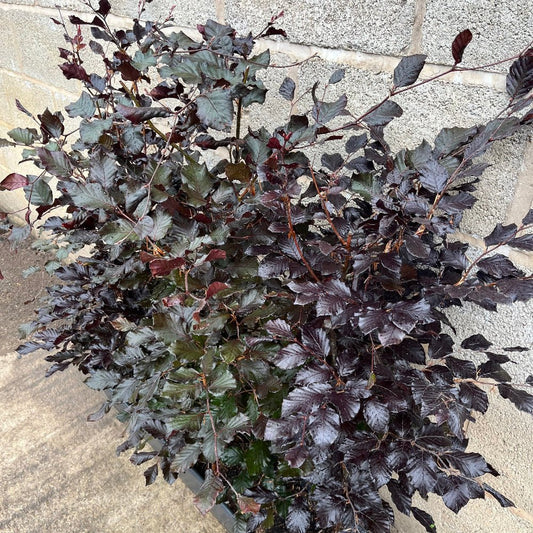
Why Choose Instant Hedges?
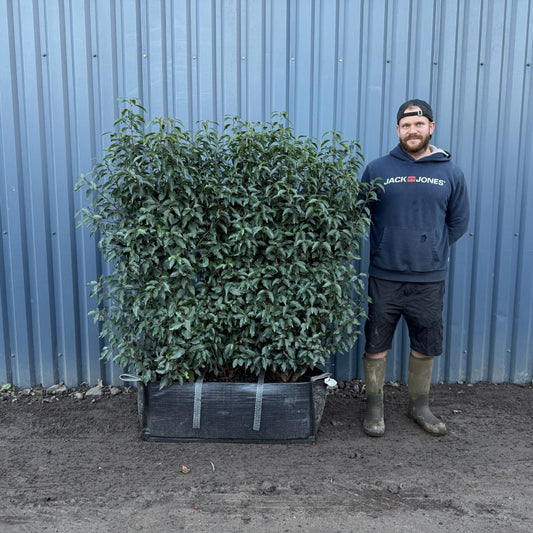
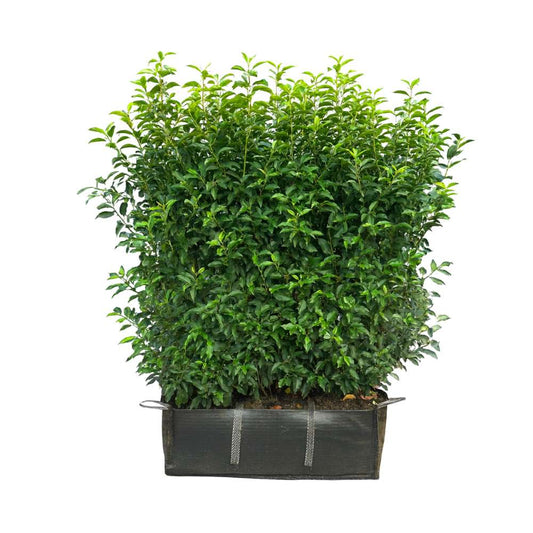
Instant hedges are the best choice when you want immediate privacy and impact. Unlike young hedge plants, which can take several years to fill out, instant hedging arrives already grown and established, giving your outdoor space structure from the moment it is planted.
They are especially useful for:
- Creating fast garden privacy
- Screening neighbouring properties
- Defining boundaries and driveways
- Improving the look of a new build garden
- Replacing old, tired or damaged hedging
- Adding mature structure to landscaping projects
- Reducing the wait for a dense, finished hedge
For homeowners, instant hedges offer a simple way to transform a garden quickly. For landscapers and commercial projects, they provide reliable results with less waiting time and a more professional finish.
Choosing the Right Instant Hedge
The right instant hedge depends on the look you want, the level of privacy you need and how much maintenance you are happy to do.
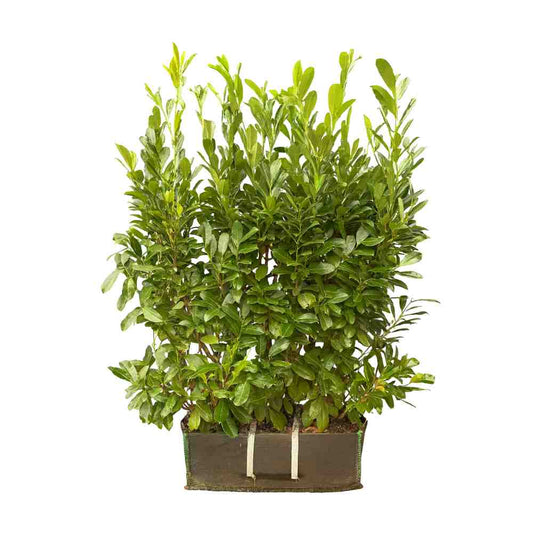
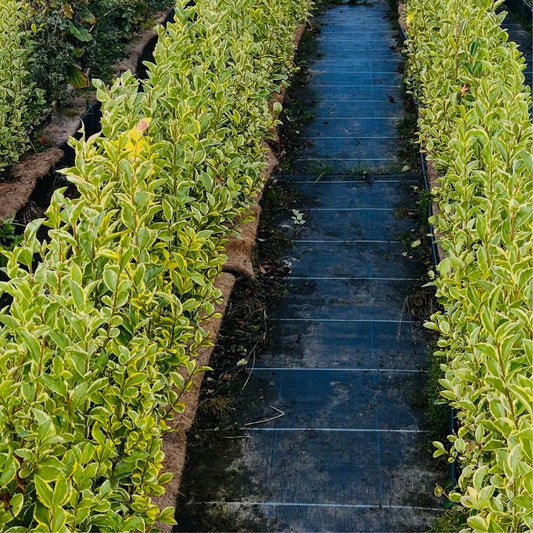
Evergreen instant hedges are best if you want year round privacy and screening. Popular options include Cherry Laurel, Portuguese Laurel, Privet, Euonymus and Yew. These are ideal for boundaries, front gardens and areas where consistent coverage is important.
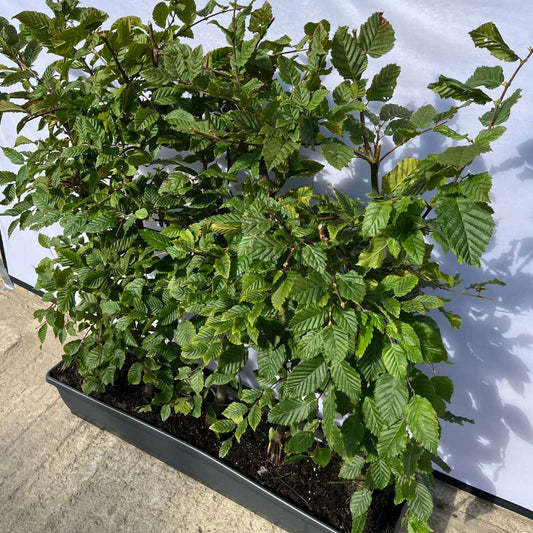
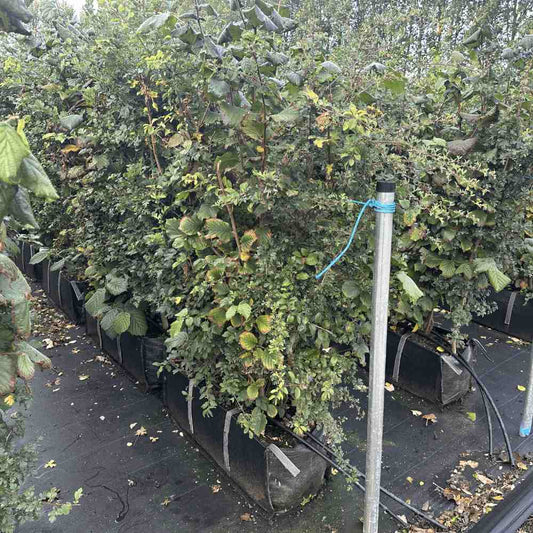
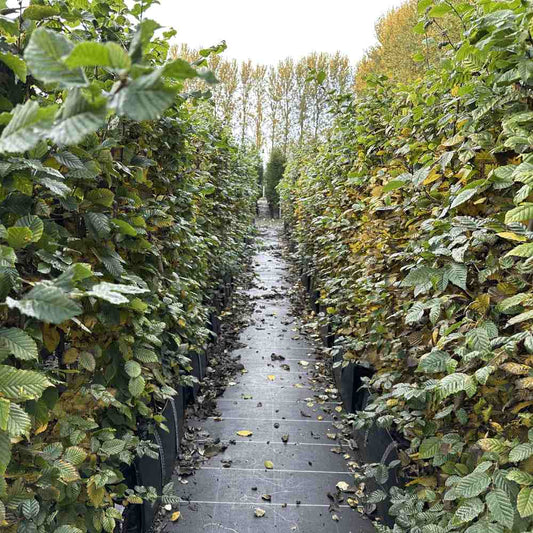
Deciduous instant hedges are a good choice if you want a softer, more seasonal look. Hornbeam and Beech are popular options because they offer attractive foliage, strong structure and excellent seasonal interest. Although they lose some leaves in winter, they still provide screening and a natural garden feel.
Native instant hedges are ideal if you want a more wildlife friendly option. Native mixed hedging can support birds, insects and biodiversity while still creating a practical boundary.
If you are unsure which option is right for your space, you may also want to view our evergreen hedges for year round privacy, low maintenance hedge plants, fast growing hedging plants and native hedging plants collections.
Instant Hedges in Troughs or Hedgebags
Our instant hedges are available in different formats depending on the size and style of hedge you need.
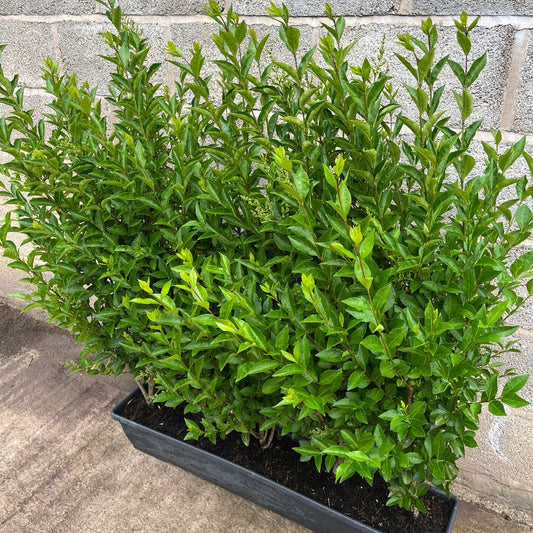
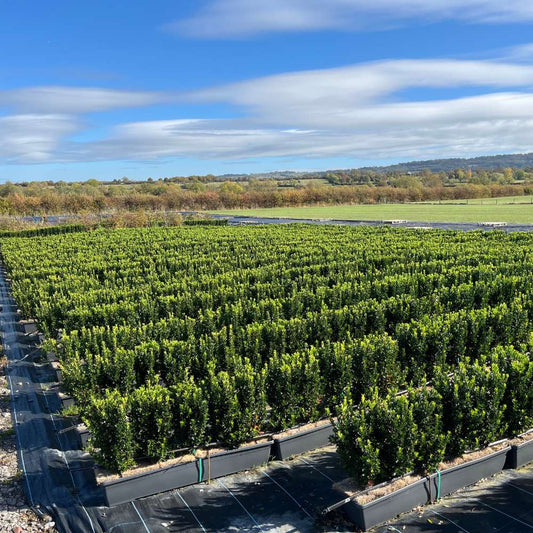
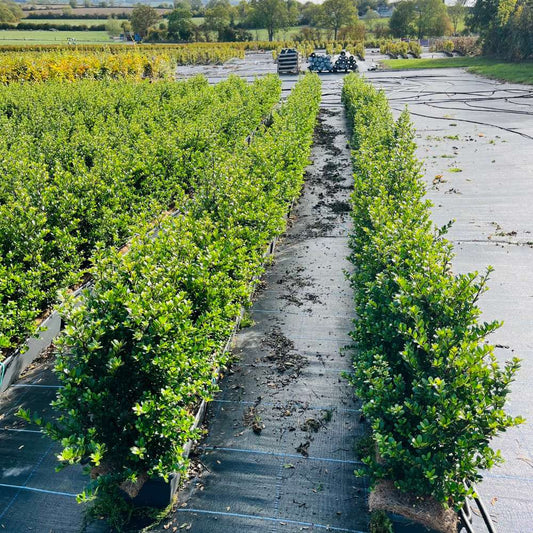
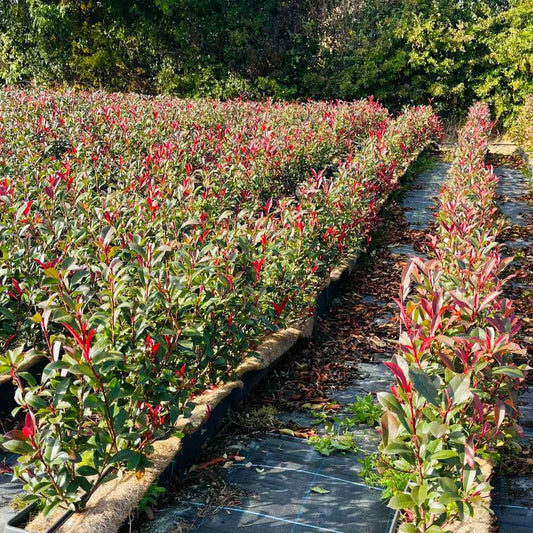
Instant hedges in troughs are generally a practical choice for lower to medium height hedging. They are easy to position, simple to plant and ideal for creating neat boundaries, garden dividers and structured planting.
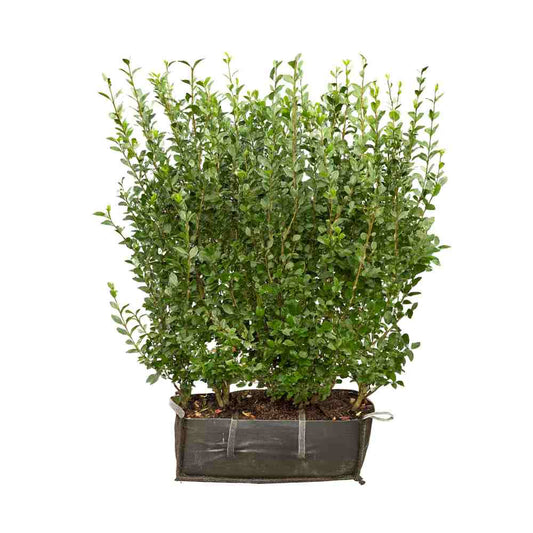
Instant hedges in hedgebags are usually taller and more mature, making them suitable when you want stronger screening and a more immediate privacy effect. These are useful for larger gardens, exposed boundaries and projects where height matters from the beginning.
The main difference is the size and maturity of the hedge. Both options are designed to establish well when planted correctly and watered consistently during the first season.
How to Plant Instant Hedges
Instant hedges are straightforward to plant, but preparation makes a big difference.
Start by clearing the area of weeds, grass and debris. Dig a trench wide enough for the root system and loosen the soil at the base. Position the hedge carefully so the plants sit at the correct depth, then backfill with good quality soil or planting compost. Firm the soil gently around the roots and water thoroughly after planting.
For best results, use suitable planting materials such as compost, mulch, fertiliser and root support products. You can find these in our hedge planting essentials and accessories collection.
Watering and Aftercare
Watering is the most important part of establishing instant hedging. Even though the plants are mature, they still need time to root into their new position.
During the first growing season, water deeply and regularly, especially in spring, summer and dry weather. The soil should stay moist below the surface but not waterlogged. A soaker hose can make watering easier and more consistent, especially for longer hedge runs.
After planting, apply mulch around the base of the hedge to help retain moisture and reduce weed growth. Light trimming once or twice a year will help maintain shape and encourage dense growth, depending on the hedge species.
Best Instant Hedges for Privacy
If privacy is your main goal, choose a hedge that provides dense foliage and reliable coverage.
Good options include:
- Cherry Laurel for fast growing evergreen screening
- Portuguese Laurel for a refined evergreen look
- Green Privet for a classic garden hedge
- Yew for formal evergreen structure
- Hornbeam for seasonal screening with a natural finish
- Native Mix for a wildlife friendly boundary
For year round privacy, evergreen instant hedges are usually the strongest choice. For a softer and more traditional garden look, Hornbeam, Beech and native mixed hedging are excellent alternatives.
FAQs
What are instant hedges?
Instant hedges are mature, pre grown hedging plants supplied in longer sections or established root systems. They are designed to create an immediate hedge effect once planted, instead of waiting years for young plants to grow together.
Are instant hedges worth it?
Yes, instant hedges are worth it if you want immediate privacy, structure and visual impact. They cost more than small starter plants, but they save years of waiting and give a much more established result straight away.
How quickly do instant hedges establish?
Most instant hedges begin settling into their new position during the first growing season. Good watering, soil preparation and aftercare are essential during this period.
Which instant hedge is best for privacy?
Cherry Laurel, Portuguese Laurel, Privet, Yew and Hornbeam are all strong choices for privacy. Evergreen options are best for year round screening, while Hornbeam and Beech offer a softer seasonal look.
Can instant hedges be planted all year round?
Pot grown and container grown instant hedges can usually be planted throughout much of the year, provided the ground is not frozen, waterlogged or extremely dry. Spring and autumn are often the easiest planting seasons because conditions are milder.
How much watering do instant hedges need?
Instant hedges need regular deep watering during the first season after planting. In warm or dry weather, they may need watering several times a week. The aim is to keep the root zone consistently moist while avoiding waterlogged soil.