
-
Green Privet Instant Hedge, 1m Hedgebag – Evergreen
Vendor:Impact HedgingRegular price £159.00 GBP inc. VAT£132.50 GBP exc. VATRegular price£169.00 GBP£140.83 GBPSale price £159.00 GBP inc. VAT£132.50 GBP exc. VATON SALE -
Green Privet Instant Hedge 80-100cm, 1m Trough – Evergreen
Vendor:Impact HedgingRegular price £65.00 GBP inc. VAT£54.17 GBP exc. VATRegular price£79.00 GBP£65.83 GBPSale price £65.00 GBP inc. VAT£54.17 GBP exc. VATON SALE -
Hornbeam Instant Hedge, 1m Hedgebag – Deciduous
Vendor:Impact HedgingRegular price £159.00 GBP inc. VAT£132.50 GBP exc. VATRegular price£169.00 GBP£140.83 GBPSale price £159.00 GBP inc. VAT£132.50 GBP exc. VATON SALE -
English Yew Instant Hedge 40-50cm, 1m Trough – Evergreen
Vendor:Impact HedgingRegular price £75.00 GBP inc. VAT£62.50 GBP exc. VATRegular price£89.00 GBP£74.17 GBPSale price £75.00 GBP inc. VAT£62.50 GBP exc. VATON SALE -
Native Mix Instant Hedge 150cm (5ft), 1m Hedgebag – Deciduous
Vendor:Impact HedgingRegular price £159.00 GBP inc. VAT£132.50 GBP exc. VATRegular price£169.00 GBP£140.83 GBPSale price £159.00 GBP inc. VAT£132.50 GBP exc. VATON SALE -
Hornbeam Instant Hedge 90–100cm, 1m Trough – Deciduous
Vendor:Impact HedgingRegular price £65.00 GBP inc. VAT£54.17 GBP exc. VATRegular price£79.00 GBP£65.83 GBPSale price £65.00 GBP inc. VAT£54.17 GBP exc. VATON SALE -
Golden Privet Instant Hedge 150cm (5ft), 1m Hedgebag – Evergreen
Vendor:Impact HedgingRegular price £159.00 GBP inc. VAT£132.50 GBP exc. VATRegular price£169.00 GBP£140.83 GBPSale price £159.00 GBP inc. VAT£132.50 GBP exc. VATON SALE -
English Yew Instant Hedge 140cm (4.5ft), 1m Hedgebag – Evergreen
Vendor:Impact HedgingRegular price £199.00 GBP inc. VAT£165.83 GBP exc. VATRegular price£0.00 GBPSale price £199.00 GBP inc. VAT£165.83 GBP exc. VAT -
Euonymus Jean Hugues Instant Hedge 70-80cm (2.5ft), 1m Hedgebag – Evergreen
Vendor:Impact HedgingRegular price £179.00 GBP inc. VAT£149.17 GBP exc. VATRegular price£199.00 GBP£165.83 GBPSale price £179.00 GBP inc. VAT£149.17 GBP exc. VATON SALE -
Photinia Red Robin Instant Hedge 120cm (4ft), 1m Hedgebag – Evergreen
Vendor:Impact HedgingRegular price £179.00 GBP inc. VAT£149.17 GBP exc. VATRegular price£199.00 GBP£165.83 GBPSale price £179.00 GBP inc. VAT£149.17 GBP exc. VATON SALE -
Thuja Instant Hedge 180cm (6ft), 1m Hedgebag – Evergreen
Vendor:Impact HedgingRegular price £189.00 GBP inc. VAT£157.50 GBP exc. VATRegular price£0.00 GBPSale price £189.00 GBP inc. VAT£157.50 GBP exc. VAT -
Hawthorn Instant Hedge 80–100cm, 1m Trough – Deciduous
Vendor:Impact HedgingRegular price £65.00 GBP inc. VAT£54.17 GBP exc. VATRegular price£80.00 GBP£66.67 GBPSale price £65.00 GBP inc. VAT£54.17 GBP exc. VATON SALE -
Evergreen Oak Instant Hedge 50-60cm, 1m Trough – Evergreen
Vendor:Impact HedgingRegular price £95.00 GBP inc. VAT£79.17 GBP exc. VATRegular price£110.00 GBP£91.67 GBPSale price £95.00 GBP inc. VAT£79.17 GBP exc. VATON SALE -
Green Beech Instant Hedge 80–100cm, 1m Trough – Deciduous
Vendor:Impact HedgingRegular price £65.00 GBP inc. VAT£54.17 GBP exc. VATRegular price£80.00 GBP£66.67 GBPSale price £65.00 GBP inc. VAT£54.17 GBP exc. VATON SALE -
Evergreen Oak Instant Hedge 150cm (5ft), 1m Hedgebag – Evergreen
Vendor:Impact HedgingRegular price £199.00 GBP inc. VAT£165.83 GBP exc. VATRegular price£0.00 GBPSale price £199.00 GBP inc. VAT£165.83 GBP exc. VAT -
Green Beech Instant Hedge 140cm, 1m Hedgebag – Deciduous
Vendor:Impact HedgingRegular price £159.00 GBP inc. VAT£132.50 GBP exc. VATRegular price£169.00 GBP£140.83 GBPSale price £159.00 GBP inc. VAT£132.50 GBP exc. VATON SALE

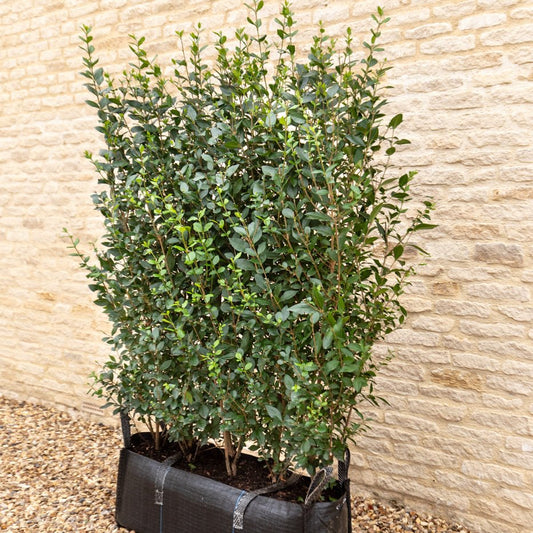

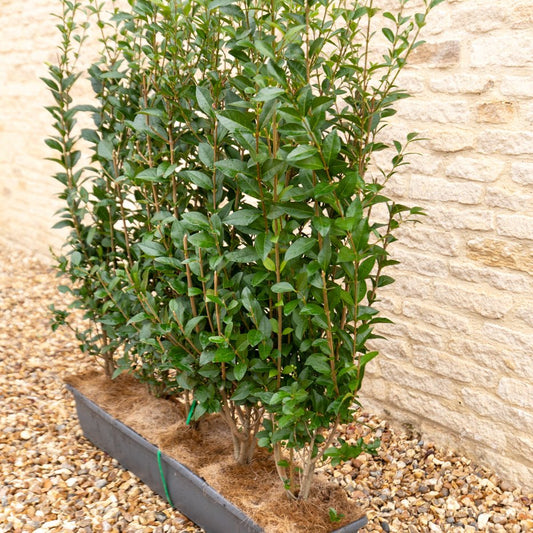

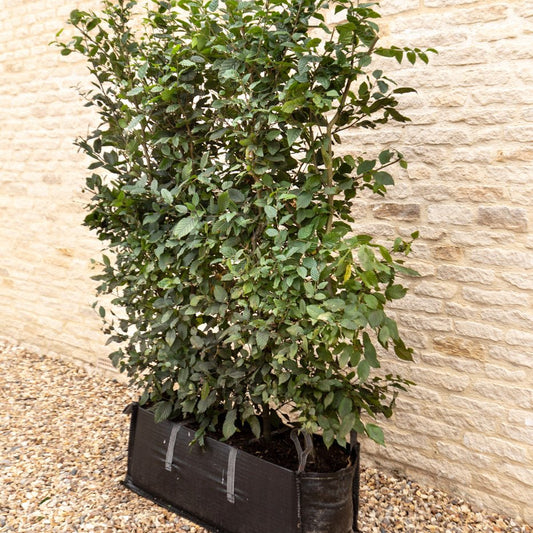

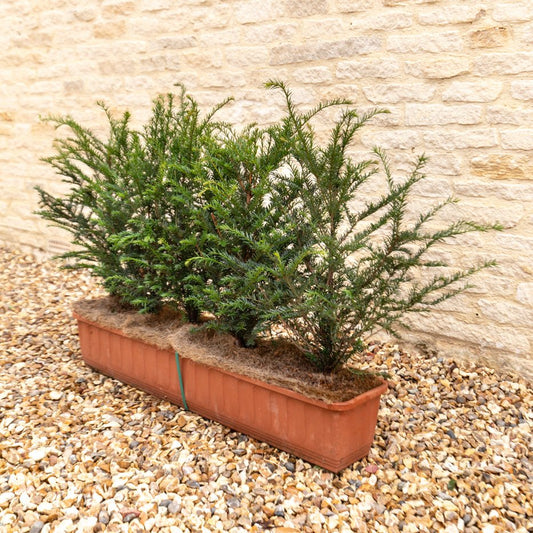





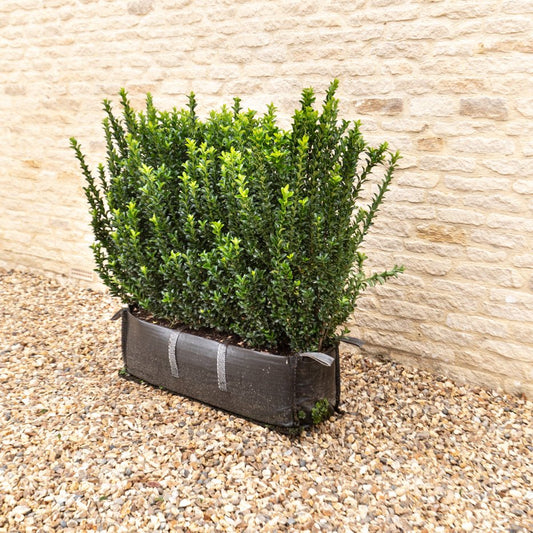

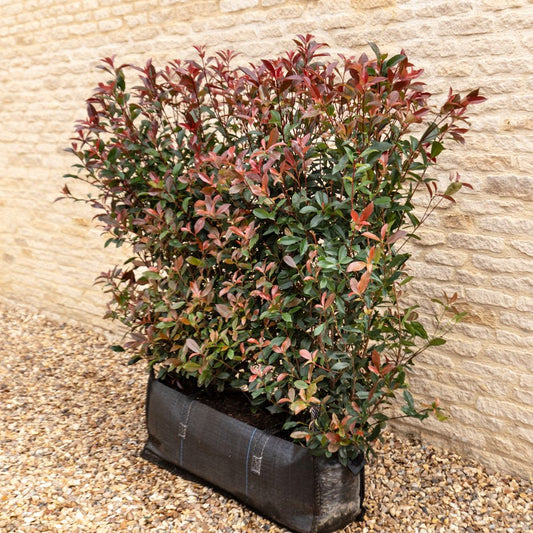

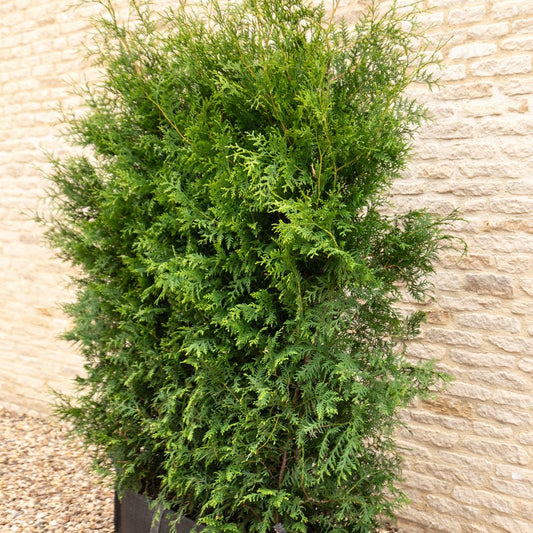

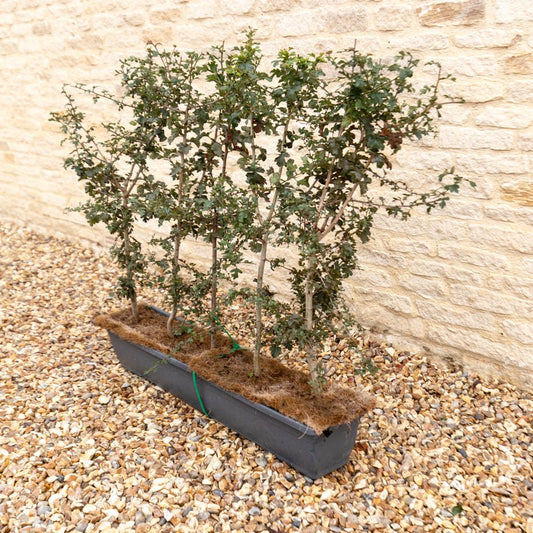

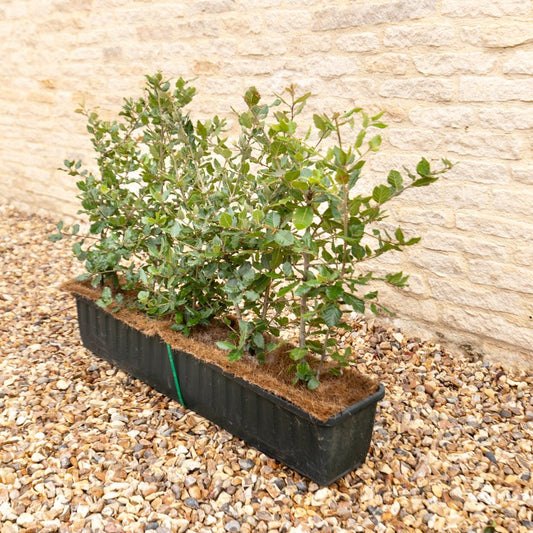

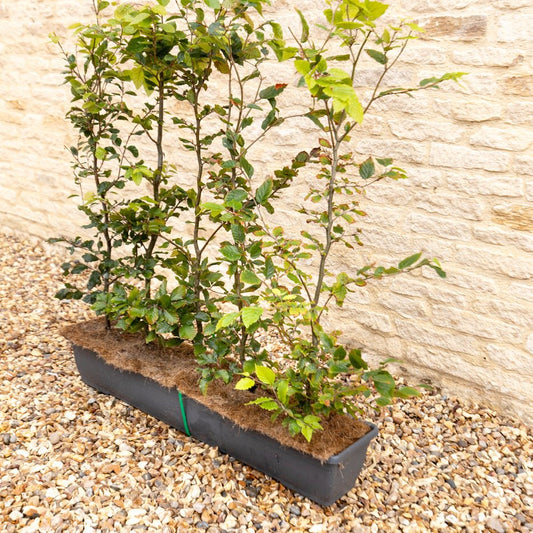

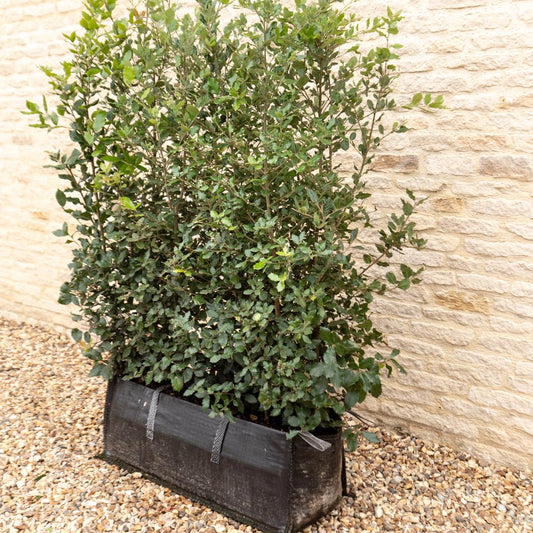

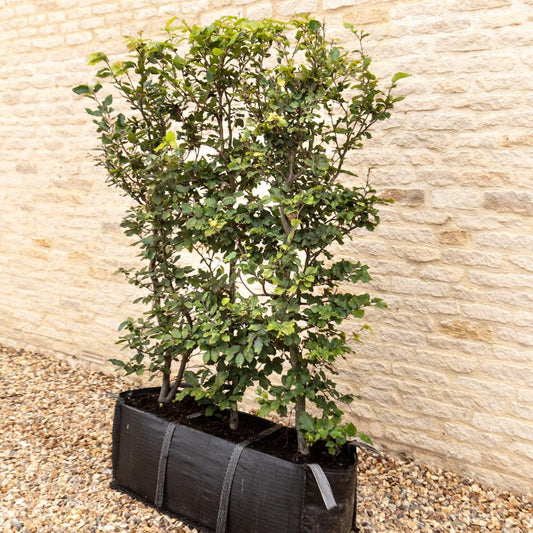
Why Choose Native Hedging Plants for Your Garden?
Native hedging plants are an excellent choice for creating attractive garden boundaries that complement the British landscape.
Species such as Hawthorn, Hornbeam, Beech and English Yew have a long history in British gardens and landscapes, offering a combination of practical screening, seasonal interest and wildlife benefits.
Choosing native hedges offers several advantages:
- Wildlife support: Native plants provide shelter, nesting opportunities and, depending on the species, flowers and fruits for wildlife.
- Seasonal interest: Enjoy fresh spring growth, summer foliage, autumn colour and attractive winter structure.
- Varied planting options: Choose from evergreen and deciduous species to suit different garden requirements.
- Natural appearance: Native hedging complements rural properties, traditional gardens and natural landscaping.
- Adaptability: Different native species are suited to a range of British soils and growing conditions.
- Established hedging: Our ready grown sections provide immediate structure compared with planting young hedging whips.
Whether you want an attractive privacy screen, a traditional boundary or a garden that supports more wildlife, native hedging offers a versatile range of options.
Which Native Hedging Plants Should You Choose?
Different native hedging species offer different benefits. Choosing the right plants depends on your garden's soil, available space, exposure and the appearance you want to achieve.
Hawthorn Hedges
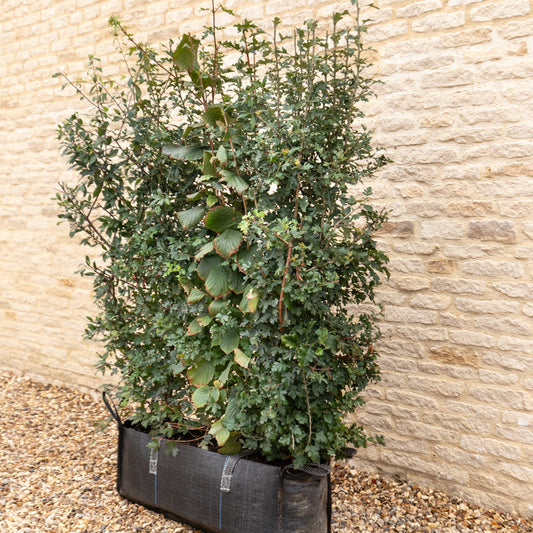
Hawthorn (Crataegus monogyna) is a traditional British hedgerow species, valued for its dense, thorny branches and attractive seasonal display.
White blossoms appear in spring, followed by red berries known as haws in autumn. These provide valuable food resources for wildlife, while the dense branching offers protective cover and potential nesting habitat.
Hawthorn is an excellent choice for countryside boundaries, wildlife gardens and informal hedges.
Hornbeam Hedges
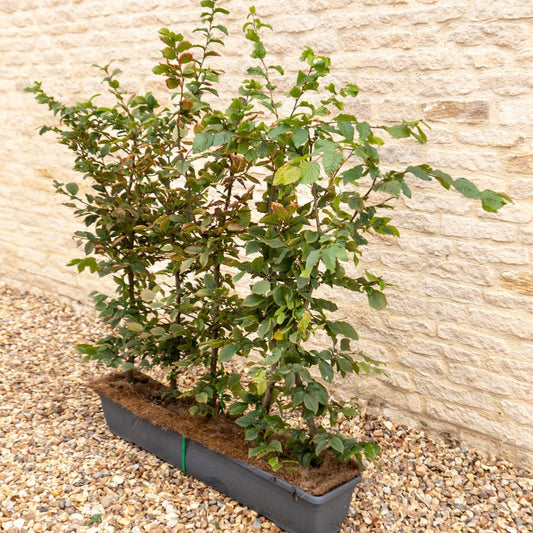
Hornbeam (Carpinus betulus) is particularly suitable for gardens with heavier clay soils and moderately exposed conditions.
Its attractive ribbed leaves turn golden and copper brown in autumn. Although deciduous, regularly clipped Hornbeam hedges may retain some dry leaves during winter, providing additional seasonal screening.
Explore our Hornbeam Hedges for established planting options.
Beech Hedges
Beech (Fagus sylvatica) is a popular choice for elegant, traditional garden boundaries.
Its smooth green leaves develop warm golden and copper tones in autumn. Like Hornbeam, regularly clipped Beech hedges may retain dry leaves during winter.
Beech responds well to trimming and is particularly attractive when maintained as a formal hedge.
It generally prefers reasonably well drained soil and is less suitable for persistently wet ground.
Browse our Beech Hedges to compare available varieties.
English Yew Hedges
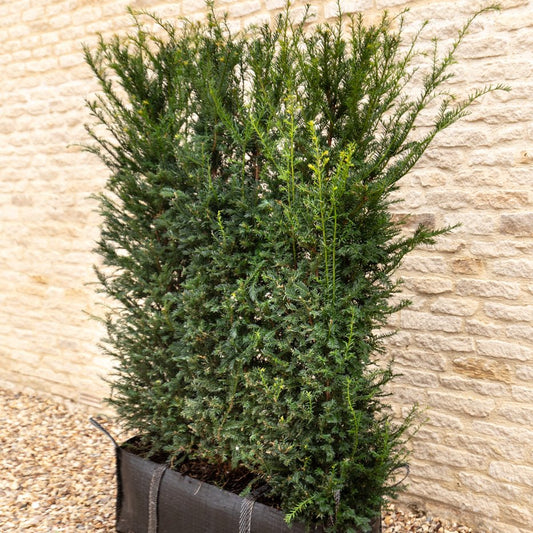
English Yew (Taxus baccata) is a native evergreen species with fine, dark green foliage and a naturally dense growth habit.
It is especially popular for formal garden boundaries, topiary and long lasting privacy screening.
Unlike most deciduous native hedges, English Yew provides green foliage throughout the year.
It grows relatively slowly but responds exceptionally well to regular clipping.
Explore our Yew Hedges for established evergreen options.
Native Mix Hedges
If you prefer a more natural countryside appearance, a mixed native hedge combines several traditional British species in one planting scheme.
Our Native Mix includes Hawthorn, Blackthorn, Hazel and Field Maple, providing varied foliage, blossom, fruits and seasonal colour.
This is particularly suitable for wildlife focused gardens and rural boundaries where a natural appearance is preferred.
Browse our Native Mix Hedges to explore this option.
Evergreen vs Deciduous Native Hedges
One of the most important decisions when choosing native hedging plants is whether you want evergreen foliage or seasonal colour.
Evergreen Native Hedging
English Yew is a particularly useful choice for year round greenery and formal screening.
Its dense foliage provides structure throughout winter, making it suitable for gardens where consistent privacy is important.
Deciduous Native Hedging
Hawthorn, Hornbeam, Beech and the species in our Native Mix collection are deciduous.
They offer attractive seasonal changes, from fresh spring foliage and blossom to warm autumn colour.
Hornbeam and Beech may retain some dry leaves when regularly clipped, although winter screening will generally be less consistent than with evergreen hedges.
For reliable year round green coverage, consider English Yew. For seasonal interest and a traditional countryside appearance, deciduous native hedging may be more suitable.
Why Native Hedges Are Good for Wildlife
Native hedges can provide valuable habitat for birds, insects and small mammals.
Their ecological benefits vary depending on the species, maturity and how the hedge is maintained.
Flowering species such as Hawthorn and Blackthorn provide nectar and pollen for insects.
Autumn fruits can provide food for birds, while dense branching creates shelter and nesting opportunities.
Mixed native hedges are particularly valuable because different species flower and fruit at different times of year.
For the greatest wildlife benefits:
- Choose species suited to your local environment.
- Allow flowering and fruiting plants to complete their seasonal cycles where practical.
- Avoid disturbing active bird nests when pruning.
- Consider less frequent or rotational trimming to preserve flowers and fruit.
- Maintain a healthy planting area with minimal unnecessary disturbance.
A well managed native hedge can become a valuable part of a wildlife friendly garden.
Where Do Native Hedging Plants Grow Best?
Native hedging species differ in their growing requirements, so choosing suitable plants for your garden is essential.
Clay and Damp Soils
Hornbeam is often a good choice for heavier clay soils and locations that experience seasonal dampness.
However, even moisture tolerant species can struggle in persistently waterlogged ground.
Well Drained Garden Soils
Beech and English Yew generally perform well in reasonably fertile, well drained soil.
Avoid prolonged waterlogging, which can damage their root systems.
Sun and Partial Shade
Many native hedging species grow well in full sun or partial shade.
Hawthorn generally flowers and fruits best with good sunlight, while English Yew can tolerate more shade.
Exposed Locations
Hawthorn and Hornbeam can be suitable for moderately exposed garden boundaries.
However, newly planted hedges require appropriate watering and care while their roots establish.
For the best results, match the hedge species to your garden's soil, sunlight and exposure rather than assuming every native plant will thrive in the same conditions.
How to Plant Native Hedging
Our established hedging is supplied in convenient troughs and hedgebags, making it easier to create a continuous garden boundary.
For successful planting:
- Prepare the planting area. Remove weeds, grass and debris along the intended hedge line.
- Check the soil. Ensure drainage and growing conditions are suitable for your chosen species.
- Dig a suitable trench. Allow enough space for the root system without crowding.
- Position the hedge sections. Keep each unit upright and plant at the appropriate depth.
- Backfill carefully. Fill around the roots and firm gently to remove large air pockets.
- Water thoroughly. Water immediately after planting and continue regularly during establishment.
Autumn and spring are particularly favourable planting periods, although established container grown hedging can also be planted at other suitable times of year.
Avoid planting when the ground is frozen or waterlogged.
For useful planting supplies, explore our Hedge Planting Essentials.
How to Care for Native Hedges
Native hedging plants are generally straightforward to maintain when planted in suitable conditions.
Watering
Newly planted hedges require regular watering during establishment, particularly during warm, dry or windy weather.
Continue monitoring soil moisture throughout the first growing season.
Pruning
Pruning requirements vary depending on the species and the desired appearance.
Formal hedges such as Yew, Hornbeam and Beech can be trimmed regularly to maintain a neat shape.
For wildlife focused hedges, less frequent pruning may allow more flowers and fruits to develop.
Always check for active bird nests before cutting.
Long Term Maintenance
Keep the base of the hedge clear of excessive weed competition and apply suitable mulch where appropriate.
Monitor plant health, particularly during droughts or periods of unusually wet weather.
With appropriate care, native hedges can provide attractive boundaries for many years.
Why Buy Native Hedging Plants from Impact Hedging?
At Impact Hedging, we specialise in established, UK grown hedging designed to help homeowners and landscapers create attractive garden boundaries.
Our hedges are grown in Oxfordshire and supplied in practical trough and hedgebag formats.
When you order from Impact Hedging, you benefit from:
- Established UK grown hedging ready for planting
- A selection of native species for different garden conditions
- Evergreen and deciduous planting options
- Convenient established sections for planning your boundary
- Free mainland UK delivery on qualifying orders over £350
- A 12 month plant guarantee, subject to its terms
- Advice and support when choosing suitable hedging
Browse the native hedging plants above or explore our complete range of Instant Hedges to find the right option for your garden.
Frequently asked questions
What are the best native hedging plants for UK gardens?
Which native hedges are best for wildlife?
Are native hedging plants evergreen?
When is the best time to plant native hedging plants?
What is the difference between native hedging and mixed native hedging?
How many native hedge sections do I need?